

Flower Bud Differentiation:The Key to High Yields Stability and Quality in Crop Fruit Production
Flower bud differentiation is the critical factor determining high yields, stable production, and superior quality in crop fruit production. Only through effective management during this specific period can high crop yields be guaranteed.
Flower bud differentiation primarily proceeds through two distinct stages: the physiological differentiation stage and the morphological differentiation stage.
1. Physiological Differentiation Stage:This stage determines the transformation of an axillary bud from a vegetative bud into a floral bud. The core focus of this period is nutrient accumulation—specifically, the accumulation of the nutrients, regulatory substances, and genetic materials required to construct the flower bud. The result of the coordinated interaction of these various substances within the cell clusters of the growth point is a transition from quantitative change to qualitative change, thereby laying the material foundation for subsequent morphological differentiation.
2. Morphological Differentiation Stage: Building upon the physiological differentiation stage, this period is characterized by changes in the material metabolism of the leaf primordia and alterations in the tissue morphology of the growth point. At this juncture, floral buds and vegetative buds become gradually distinguishable, marking the entry into the morphological differentiation stage—specifically, the initial phase of flower bud formation. The process then proceeds sequentially through five distinct sub-stages: calyx differentiation, petal differentiation, stamen differentiation, pistil differentiation, and so forth. The entire process typically commences in late November and concludes in mid-to-late March of the following year, spanning a duration of approximately 120 days. The ultimate quality of the flower buds is largely determined during this stage; therefore, to effectively regulate flower quality, it is crucial to ensure adequate nutritional support throughout the entire continuum—from the initial nutrient accumulation phase to the subsequent developmental phase where the floral organs become visibly discernible.
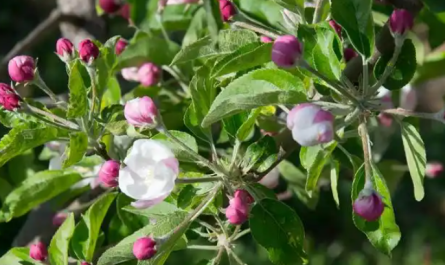
Key Considerations During the Crop Flower Bud Differentiation Period
1. Light:Light is an indispensable external factor in the process of flower bud differentiation. Under conditions of sufficient light, flower bud differentiation proceeds normally and smoothly; conversely, weak light reduces the production of photosynthetic metabolites, thereby diminishing the nutrient supply required for differentiation and hindering the formation of flower buds.
2. Moisture:Under conditions of appropriate moisture levels, nutrient circulation within fruit trees is rapid and efficient, thereby satisfying the nutrient demands associated with flower bud differentiation. Conversely, excessive drought inhibits the formation of flower buds and increases the likelihood of producing weak or inferior flowers.
3. Nutrients: Both the physiological and morphological processes of flower bud differentiation place extremely high demands on nutrient availability. In particular, elements such as boron and phosphorus play a pivotal role in ensuring the successful progression of flower bud differentiation. During this process, a deficiency in boron can easily lead to floral deformities, while a deficiency in phosphorus often results in flower drop; both conditions have a profound negative impact on both yield and fruit quality.
4. Temperature: Flower bud differentiation can only proceed normally under appropriate temperature conditions. If temperatures are unsuitable, it will directly result in the failure of flower bud differentiation and a consequent reduction in the flowering rate.
Plant growth regulators that promote flower bud differentiation primarily include cytokinins, paclobutrazol (Paclo), ethephon, chlormequat chloride (CCC), and brassinolides (BRs). These substances function by regulating the balance of plant hormones or by inhibiting vegetative growth, thereby inducing the plant to shift its focus toward reproductive growth.
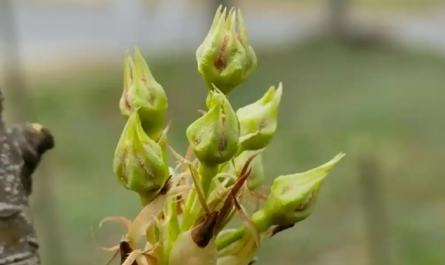
Key Regulators and Their Mechanisms of Action:
Cytokinins (e.g., 6-BA)
Directly stimulate cell division within bud primordia and induce the conversion of vegetative buds into flower buds, making them one of the most direct and effective hormones for promoting flowering. They are suitable for crops such as fruit trees and ornamental flowers, yielding particularly significant results when applied during the physiological differentiation stage of flower buds.
Paclobutrazol (Paclo)
Inhibits gibberellin synthesis to curb excessive elongation of stems and foliage, thereby compelling nutrients to concentrate within the flower buds; this ultimately enhances both the quantity and quality of flower buds. It is widely utilized in fruit trees such as apples, citrus, and grapes, typically applied at a concentration of 100–150 ppm.
Ethephon
Releases ethylene to suppress apical dominance, thereby promoting the development of lateral buds and the formation of flower buds. It is frequently employed to regulate flowering in subtropical and South Asian fruit trees, such as lychees and longans.
Chlormequat Chloride (CCC)
Inhibits the elongation of stem cells, thereby improving ventilation and light penetration within the plant canopy; this indirectly facilitates flower bud differentiation while simultaneously enhancing the plant's resistance to lodging (falling over).
Brassinolides (BRs)
Although classified as broad-spectrum regulators, they indirectly support flower bud differentiation by controlling excessive vegetative growth, enhancing stress tolerance, and promoting the translocation of photosynthetic products toward the floral organs. They possess a high safety profile and are well-suited for use in combination with phosphorus-potassium fertilizers and boron fertilizers.
Flower bud differentiation primarily proceeds through two distinct stages: the physiological differentiation stage and the morphological differentiation stage.
1. Physiological Differentiation Stage:This stage determines the transformation of an axillary bud from a vegetative bud into a floral bud. The core focus of this period is nutrient accumulation—specifically, the accumulation of the nutrients, regulatory substances, and genetic materials required to construct the flower bud. The result of the coordinated interaction of these various substances within the cell clusters of the growth point is a transition from quantitative change to qualitative change, thereby laying the material foundation for subsequent morphological differentiation.
2. Morphological Differentiation Stage: Building upon the physiological differentiation stage, this period is characterized by changes in the material metabolism of the leaf primordia and alterations in the tissue morphology of the growth point. At this juncture, floral buds and vegetative buds become gradually distinguishable, marking the entry into the morphological differentiation stage—specifically, the initial phase of flower bud formation. The process then proceeds sequentially through five distinct sub-stages: calyx differentiation, petal differentiation, stamen differentiation, pistil differentiation, and so forth. The entire process typically commences in late November and concludes in mid-to-late March of the following year, spanning a duration of approximately 120 days. The ultimate quality of the flower buds is largely determined during this stage; therefore, to effectively regulate flower quality, it is crucial to ensure adequate nutritional support throughout the entire continuum—from the initial nutrient accumulation phase to the subsequent developmental phase where the floral organs become visibly discernible.
Key Considerations During the Crop Flower Bud Differentiation Period
1. Light:Light is an indispensable external factor in the process of flower bud differentiation. Under conditions of sufficient light, flower bud differentiation proceeds normally and smoothly; conversely, weak light reduces the production of photosynthetic metabolites, thereby diminishing the nutrient supply required for differentiation and hindering the formation of flower buds.
2. Moisture:Under conditions of appropriate moisture levels, nutrient circulation within fruit trees is rapid and efficient, thereby satisfying the nutrient demands associated with flower bud differentiation. Conversely, excessive drought inhibits the formation of flower buds and increases the likelihood of producing weak or inferior flowers.
3. Nutrients: Both the physiological and morphological processes of flower bud differentiation place extremely high demands on nutrient availability. In particular, elements such as boron and phosphorus play a pivotal role in ensuring the successful progression of flower bud differentiation. During this process, a deficiency in boron can easily lead to floral deformities, while a deficiency in phosphorus often results in flower drop; both conditions have a profound negative impact on both yield and fruit quality.
4. Temperature: Flower bud differentiation can only proceed normally under appropriate temperature conditions. If temperatures are unsuitable, it will directly result in the failure of flower bud differentiation and a consequent reduction in the flowering rate.
Plant growth regulators that promote flower bud differentiation primarily include cytokinins, paclobutrazol (Paclo), ethephon, chlormequat chloride (CCC), and brassinolides (BRs). These substances function by regulating the balance of plant hormones or by inhibiting vegetative growth, thereby inducing the plant to shift its focus toward reproductive growth.
Key Regulators and Their Mechanisms of Action:
Cytokinins (e.g., 6-BA)
Directly stimulate cell division within bud primordia and induce the conversion of vegetative buds into flower buds, making them one of the most direct and effective hormones for promoting flowering. They are suitable for crops such as fruit trees and ornamental flowers, yielding particularly significant results when applied during the physiological differentiation stage of flower buds.
Paclobutrazol (Paclo)
Inhibits gibberellin synthesis to curb excessive elongation of stems and foliage, thereby compelling nutrients to concentrate within the flower buds; this ultimately enhances both the quantity and quality of flower buds. It is widely utilized in fruit trees such as apples, citrus, and grapes, typically applied at a concentration of 100–150 ppm.
Ethephon
Releases ethylene to suppress apical dominance, thereby promoting the development of lateral buds and the formation of flower buds. It is frequently employed to regulate flowering in subtropical and South Asian fruit trees, such as lychees and longans.
Chlormequat Chloride (CCC)
Inhibits the elongation of stem cells, thereby improving ventilation and light penetration within the plant canopy; this indirectly facilitates flower bud differentiation while simultaneously enhancing the plant's resistance to lodging (falling over).
Brassinolides (BRs)
Although classified as broad-spectrum regulators, they indirectly support flower bud differentiation by controlling excessive vegetative growth, enhancing stress tolerance, and promoting the translocation of photosynthetic products toward the floral organs. They possess a high safety profile and are well-suited for use in combination with phosphorus-potassium fertilizers and boron fertilizers.
RECENT POSTS
Featured News