

Key Management Techniques for the Grape Flowering Period: Directly Impacting Yield and Quality
The period spanning from the onset of flowering to the swelling of young fruitlets constitutes a critically important stage in the grape growth cycle. The effectiveness of management during this phase directly determines both the yield and quality of the grapes produced in the current year. The primary management priorities for this period are outlined below:
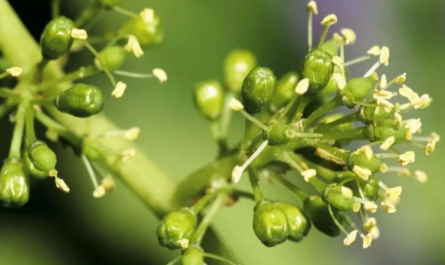
Within the grape production cycle, the duration from the initiation of flowering to its completion typically lasts approximately 4 to 14 days in a normal year, with the majority of cases falling within the 7-to-12-day range.
The primary factors influencing grape flowering and fruit setting include temperature, humidity, drought conditions, and wind. The flowering stage places high demands on temperature; grapes flower profusely when air temperatures exceed 25°C, with the optimal temperature being 27.5°C. Conversely, if air temperatures drop below 15°C, grapes cannot flower normally, and fertilization processes will be inhibited.
The ideal relative humidity during the flowering period is 56%; conditions involving excessive rainfall or drought will negatively impact both flowering and pollination. High soil moisture levels tend to trigger earlier flowering, whereas low soil moisture levels result in delayed flowering. Wind is another significant factor affecting flowering; strong winds are detrimental to the process and can exacerbate flower drop.
During the grape flowering period, the peak time for blooming occurs daily between 6:00 AM and 11:00 AM, with the most intense activity taking place between 7:00 AM and 9:00 AM. The period occurring 3 to 5 days after flowering marks the first phase of physiological fruit drop. During the grape flowering stage, substantial amounts of nutrients are consumed to support flowering, flower bud differentiation, and the growth of shoots and leaves. Consequently, there is intense competition for nutrients between vegetative growth (shoots and leaves) and reproductive growth (flowers and fruit) during this period. If a disproportionate amount of nutrients is diverted to the growth of new shoots, leaving the nutrient requirements for reproductive growth unmet, it can lead to significant bud drop prior to flowering. This drop-off may continue as flower drop after blooming, thereby reducing the overall fruit-setting rate. Furthermore, if soil moisture levels are excessive during the flowering period—resulting in poor root aeration—nutrient absorption will be impaired, which can also lead to flower drop. Given the specific conditions and physiological characteristics of grape flowering, production management during this period should prioritize the following key aspects:
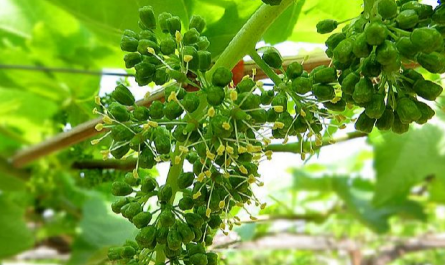
1. Supplemental Fertilization:
To mitigate the competition for nutrients between vegetative and reproductive growth during the flowering stage—and thereby satisfy the nutritional demands for flowering and fruit set—supplemental fertilization must be applied both before and after flowering. Additionally, a 0.2%–0.3% solution of boric acid or borax should be sprayed prior to flowering to promote pollen tube elongation and enhance the fruit-setting rate. Concurrently, meticulous attention should be paid to vine management to improve ventilation and light penetration within the vineyard. During the grape flowering period, in order to conserve nutrient consumption, timely execution of tasks such as vine tying, removal of lateral shoots, shoot tipping, cluster tip pinching, and removal of secondary clusters is essential.
2. Strengthen Temperature and Humidity Control
For grapes cultivated in greenhouses, strict attention must be paid to controlling the internal temperature and humidity. This is essential for improving pollen germination rates and ensuring the smooth progression of pollination and fertilization. Temperature management guidelines for the greenhouse are as follows: daytime temperatures should be maintained at approximately 28°C, while nighttime temperatures should be kept between 16°C and 18°C. Regarding humidity control: once the flowering stage begins, irrigation must be suspended; the air humidity within the greenhouse should be maintained at around 50%, and frequent ventilation is required. For grapes grown in open fields, precise temperature control is difficult to achieve; however, soil moisture levels can be managed—through measures such as loosening the soil and reducing humidity—to create an environment conducive to flowering and fruit setting.
3. Prioritize the Thinning and Grooming of Flower Clusters
This constitutes a crucial measure for rationally regulating yield and ensuring that the fruit clusters are uniform and well-ordered; therefore, it must be executed with great care.
4. Perform Artificial Supplementary Pollination for Female-Functional Varieties
Most grape varieties possess hermaphroditic flowers and can undergo fertilization naturally. However, female-functional varieties—due to the degeneration of their stamens—require supplementary pollination to achieve high yields. Consequently, significant emphasis must be placed on the practice of artificial supplementary pollination.
5. Apply Plant Growth Regulators at the Appropriate Time for Varieties Requiring Seedlessness Treatment
For example, for varieties within the "Jufeng" lineage, a first treatment using GA3 should be applied during the peak flowering stage, followed by a second treatment of the fruit clusters 10 to 15 days later.
6. Pest and Disease Control
Two to four days prior to the onset of flowering, it is imperative to apply preventive fungicides and insecticides. Priority should be given to controlling the following pests and diseases: Botrytis cinerea (Gray Mold), Anthracnose, Downy Mildew, Cluster Stem Blight, Clearwing Moths, and Scarab Beetles.
Within the grape production cycle, the duration from the initiation of flowering to its completion typically lasts approximately 4 to 14 days in a normal year, with the majority of cases falling within the 7-to-12-day range.
The primary factors influencing grape flowering and fruit setting include temperature, humidity, drought conditions, and wind. The flowering stage places high demands on temperature; grapes flower profusely when air temperatures exceed 25°C, with the optimal temperature being 27.5°C. Conversely, if air temperatures drop below 15°C, grapes cannot flower normally, and fertilization processes will be inhibited.
The ideal relative humidity during the flowering period is 56%; conditions involving excessive rainfall or drought will negatively impact both flowering and pollination. High soil moisture levels tend to trigger earlier flowering, whereas low soil moisture levels result in delayed flowering. Wind is another significant factor affecting flowering; strong winds are detrimental to the process and can exacerbate flower drop.
During the grape flowering period, the peak time for blooming occurs daily between 6:00 AM and 11:00 AM, with the most intense activity taking place between 7:00 AM and 9:00 AM. The period occurring 3 to 5 days after flowering marks the first phase of physiological fruit drop. During the grape flowering stage, substantial amounts of nutrients are consumed to support flowering, flower bud differentiation, and the growth of shoots and leaves. Consequently, there is intense competition for nutrients between vegetative growth (shoots and leaves) and reproductive growth (flowers and fruit) during this period. If a disproportionate amount of nutrients is diverted to the growth of new shoots, leaving the nutrient requirements for reproductive growth unmet, it can lead to significant bud drop prior to flowering. This drop-off may continue as flower drop after blooming, thereby reducing the overall fruit-setting rate. Furthermore, if soil moisture levels are excessive during the flowering period—resulting in poor root aeration—nutrient absorption will be impaired, which can also lead to flower drop. Given the specific conditions and physiological characteristics of grape flowering, production management during this period should prioritize the following key aspects:
1. Supplemental Fertilization:
To mitigate the competition for nutrients between vegetative and reproductive growth during the flowering stage—and thereby satisfy the nutritional demands for flowering and fruit set—supplemental fertilization must be applied both before and after flowering. Additionally, a 0.2%–0.3% solution of boric acid or borax should be sprayed prior to flowering to promote pollen tube elongation and enhance the fruit-setting rate. Concurrently, meticulous attention should be paid to vine management to improve ventilation and light penetration within the vineyard. During the grape flowering period, in order to conserve nutrient consumption, timely execution of tasks such as vine tying, removal of lateral shoots, shoot tipping, cluster tip pinching, and removal of secondary clusters is essential.
2. Strengthen Temperature and Humidity Control
For grapes cultivated in greenhouses, strict attention must be paid to controlling the internal temperature and humidity. This is essential for improving pollen germination rates and ensuring the smooth progression of pollination and fertilization. Temperature management guidelines for the greenhouse are as follows: daytime temperatures should be maintained at approximately 28°C, while nighttime temperatures should be kept between 16°C and 18°C. Regarding humidity control: once the flowering stage begins, irrigation must be suspended; the air humidity within the greenhouse should be maintained at around 50%, and frequent ventilation is required. For grapes grown in open fields, precise temperature control is difficult to achieve; however, soil moisture levels can be managed—through measures such as loosening the soil and reducing humidity—to create an environment conducive to flowering and fruit setting.
3. Prioritize the Thinning and Grooming of Flower Clusters
This constitutes a crucial measure for rationally regulating yield and ensuring that the fruit clusters are uniform and well-ordered; therefore, it must be executed with great care.
4. Perform Artificial Supplementary Pollination for Female-Functional Varieties
Most grape varieties possess hermaphroditic flowers and can undergo fertilization naturally. However, female-functional varieties—due to the degeneration of their stamens—require supplementary pollination to achieve high yields. Consequently, significant emphasis must be placed on the practice of artificial supplementary pollination.
5. Apply Plant Growth Regulators at the Appropriate Time for Varieties Requiring Seedlessness Treatment
For example, for varieties within the "Jufeng" lineage, a first treatment using GA3 should be applied during the peak flowering stage, followed by a second treatment of the fruit clusters 10 to 15 days later.
6. Pest and Disease Control
Two to four days prior to the onset of flowering, it is imperative to apply preventive fungicides and insecticides. Priority should be given to controlling the following pests and diseases: Botrytis cinerea (Gray Mold), Anthracnose, Downy Mildew, Cluster Stem Blight, Clearwing Moths, and Scarab Beetles.
RECENT POSTS
Featured News