

What are the physiological regulatory pathways of brassinosteroids under high-temperature stress?
Brassinosteroids respond to high-temperature stress by activating protective enzyme systems to maintain cell membrane stability, regulating stomatal opening and closing to reduce water loss, and promoting cell division to accelerate the repair of damaged tissues.
Key Physiological Regulatory Pathways of Brassinosteroids
Under high-temperature stress, brassinosteroids primarily exert their stress-tolerance effects through the following mechanisms:
Maintenance of Cell Membrane Stability and Enzyme Activity
High temperatures can damage plant cell structures. Brassinosteroids activate protective enzyme systems to maintain cell membrane stability under stress conditions and prevent the leakage of cellular contents, thereby extending crop survival time in high-temperature environments.
Regulation of Water Metabolism and Photosynthesis
High temperatures intensify transpiration. By regulating stomatal opening and closing, brassinosteroids effectively reduce water loss and alleviate the heat stress often associated with drought. Simultaneously, they increase chlorophyll content and enhance photosynthetic efficiency, counteracting the inhibitory effects of high temperatures on the photosynthetic system.
Promotion of Tissue Repair and Growth Balance
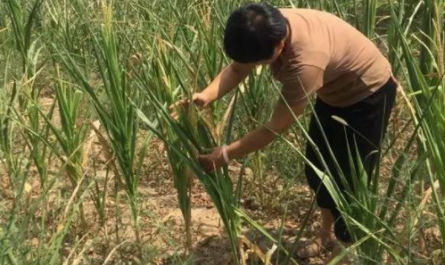
Brassinosteroids possess the dual function of promoting cell division and elongation. When high temperatures cause leaf scorch or stunted growth, they accelerate the recovery of damaged tissues and promote the growth of new leaves, helping plants recover quickly from heat damage.
Precautions for Using Brassinosteroids in High Temperatures
Although brassinosteroids provide heat tolerance, improper use can lead to phytotoxicity:
Avoid Spraying During Peak Heat:
At midday, when temperatures are highest, leaf stomata close and evaporation is rapid; this not only results in low absorption rates but may also cause the solution concentration to spike, leading to leaf scorch. It is recommended to spray before 10:00 AM or after 4:00 PM.
Combine with Nutrients:
Using brassinosteroids alone under high temperatures can exacerbate respiratory consumption. It is recommended to combine them with amino acids or seaweed fertilizers to replenish nutrients and stabilize photosynthetic efficiency.
Control Concentration:
High concentrations of brassinosteroids are more prone to decomposition or causing unexpected phytotoxicity under high temperatures. Strictly adhere to recommended concentrations and do not arbitrarily increase the dosage.
Key Physiological Regulatory Pathways of Brassinosteroids
Under high-temperature stress, brassinosteroids primarily exert their stress-tolerance effects through the following mechanisms:
Maintenance of Cell Membrane Stability and Enzyme Activity
High temperatures can damage plant cell structures. Brassinosteroids activate protective enzyme systems to maintain cell membrane stability under stress conditions and prevent the leakage of cellular contents, thereby extending crop survival time in high-temperature environments.
Regulation of Water Metabolism and Photosynthesis
High temperatures intensify transpiration. By regulating stomatal opening and closing, brassinosteroids effectively reduce water loss and alleviate the heat stress often associated with drought. Simultaneously, they increase chlorophyll content and enhance photosynthetic efficiency, counteracting the inhibitory effects of high temperatures on the photosynthetic system.
Promotion of Tissue Repair and Growth Balance
Brassinosteroids possess the dual function of promoting cell division and elongation. When high temperatures cause leaf scorch or stunted growth, they accelerate the recovery of damaged tissues and promote the growth of new leaves, helping plants recover quickly from heat damage.
Precautions for Using Brassinosteroids in High Temperatures
Although brassinosteroids provide heat tolerance, improper use can lead to phytotoxicity:
Avoid Spraying During Peak Heat:
At midday, when temperatures are highest, leaf stomata close and evaporation is rapid; this not only results in low absorption rates but may also cause the solution concentration to spike, leading to leaf scorch. It is recommended to spray before 10:00 AM or after 4:00 PM.
Combine with Nutrients:
Using brassinosteroids alone under high temperatures can exacerbate respiratory consumption. It is recommended to combine them with amino acids or seaweed fertilizers to replenish nutrients and stabilize photosynthetic efficiency.
Control Concentration:
High concentrations of brassinosteroids are more prone to decomposition or causing unexpected phytotoxicity under high temperatures. Strictly adhere to recommended concentrations and do not arbitrarily increase the dosage.
RECENT POSTS
-
13th National Plant Growth Regulator Industry Conference Held in Hebi Henan
-
Key Innovation Directions for Plant Hormone Technologies
-
Latest Growth Forecast for the Southeast Asian Plant Growth Regulator Market
-
Experiments have demonstrated excellent results using the plant hormone "Pineapple King" in Vietnamese pineapple cultivation
Featured News